Wednesday, June 19, 2024

Taiwanese Beef Noodle Soup - Niu Rou Mian 牛肉麵


Taiwanese Beef Noodle Soup (牛肉麵) is a hearty dish featuring tender chunks of beef simmered in a rich, flavorful broth with aromatic spices like ginger, garlic, and dried chilies. Served with thick wheat noodles and garnished with fresh herbs and pickled vegetables, it's a beloved comfort food in Taiwanese cuisine, perfect for warming up on chilly days.

Ingredients:

For the soup:
- 400-500g beef
- 1 Carrot
- 1/3 Radish
- 2-3 small tomatoes
- 1/2 onion, quartered
- 1 tbsp oil
- 2-3 slices ginger
- 4-5 cloves garlic
- 2 dried chillies
- 1 tbsp sugar
- 2 tbsp doubanjiang (chili bean paste)
- 2 tbsp soy sauce
- 2 tbsp dark soy sauce
- 15ml rice wine
- 2 bay leaves
- 1/2 teaspoon 5 spice powder
- Water
- Additional: Noodles, Bok choy

Instructions

1. Prepare Ingredients: 
- Start by cutting the beef into smaller pieces. 
- Peel and slice the carrot and radish. Cut tomatoes in chunks. Quarter the onion, slice the ginger, and crush the garlic cloves.
2. Sauté Aromatics:
- In a pot or wok, heat the oil over medium-high heat. 
- Add the sliced ginger, crushed garlic, bay leaves and dried chillies (if using). 
Stir-fry for about 1-2 minutes until fragrant.
3. Sear Beef: 
- Add the beef to the pot and stir-fry until it's browned on all sides, approximately 2-3 minutes.
4. Seasoning:
- Add in the sugar, doubanjiang (chili bean paste), 5-spice powder, soy sauce, dark soy sauce, and Shaoxing rice wine. 
- Stir well to coat the beef evenly in the seasoning mix. 
- Cook for about 2 minutes until the sauce starts to bubble and thicken slightly.
5. Add Vegetables and Liquid:
- Toss in the vegetables. 
- Pour in enough water to cover all the ingredients in the pot. Adjust the seasoning according to your taste preference.
6. Simmer:
- Bring the soup to a boil, then reduce the heat to low. 
- Cover the pot and let the soup simmer gently for at least 1 hour, stirring occasionally, or until the beef is tender and the flavors have melded together.
7. Serving:
- While the soup is simmering, cook the noodles and bok choy in a separate pot of boiling water. Drain and set aside.
- Ladle the hot beef and vegetable soup over the noodles. Garnish with chopped green onions if desired. 

Thursday, June 13, 2024

Teardrop Cheesecake (Crying Cheesecake) - Sernik Płaczący


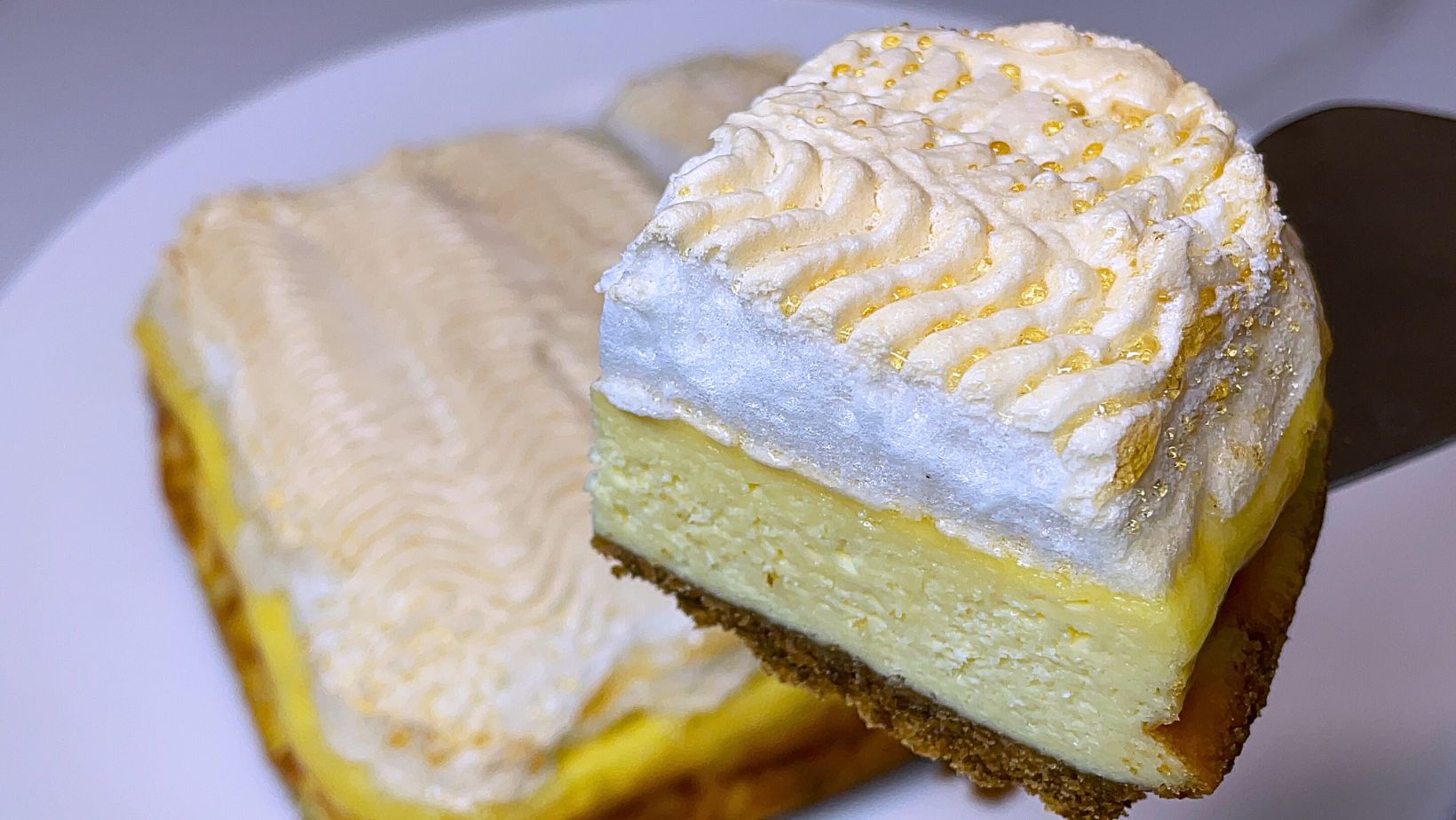
Sernik Płaczący, also known as Teardrop Cheesecake or "Crying Cheesecake," is a popular Polish variation of traditional cheesecake with a unique feature: it "cries" or forms teardrop-like droplets on the top after baking. These droplets are formed from the condensation of the meringue-like layer that forms during cooling, creating a glossy, amber-colored "teardrop" effect on the cake’s surface. This effect gives the cheesecake its poetic name, making it visually distinctive as well as delicious.

The base is made of buttery, shortcrust pastry or biscuit base. The main layer is made with twaróg (Polish curd cheese or farmer’s cheese), eggs, sugar, and often vanilla or lemon zest. This part is similar to traditional sernik, with a rich and dense texture. On the top, a delicate layer of whipped egg whites and sugar, which creates a light and airy topping that browns slightly during baking. After the cheesecake cools, droplets form on the surface due to condensation from the moisture in the meringue-like topping. These droplets are typically golden in color and resemble tears, giving the cake its signature look.
The cake is subtly sweet with a rich cheese flavor, complemented by the light, airy top layer and sometimes a hint of citrus.
The cheesecake is often baked in a rectangular pan and cut into squares or rectangles, with the teardrop effect adding an eye-catching finish.

Ingredients:

Crust:

- 90g cookies (any type you prefer)
- 15g oil
- 15g water 

Cheesecake:

- 250g cream cheese
- 2 eggs + 1 egg yolk 
- 30g sugar

Meringue:

- 1 egg white
- 35g sugar

Instructions:

1. Prepare the Crust:
   - Crush the cookies into fine crumbs.
   - Mix the cookie crumbs with oil and water until well combined.
   - Press the mixture into the bottom of a greased or lined cake pan to form the crust.
2. Prepare the Cheesecake Filling:
   - In a mixing bowl, beat the cream cheese until smooth and creamy.
   - Add the eggs and sugar to the cream cheese, and continue beating until well combined and smooth.
3. Assemble and Bake the Cheesecake:
   - Pour the cheesecake filling over the crust.
   - Smooth out the top with a spatula.
   - Place in the oven and bake at 180 degrees Celsius for about 25-30 minutes.
4. Prepare the Meringue Topping:
   - In a clean mixing bowl, beat the egg white until foamy.
   - Gradually add the sugar while continuing to beat until stiff peaks form.
   - Prepare it about 10 minutes before cheesecake is finishing baking.
   - Spread the meringue topping evenly over the cheesecake filling layer.
   - Return the assembled cheesecake to the oven and bake at 150°C (300°F) for about 15 minutes.
7. Chill and Serve:
   - Once baked, remove the cheesecake from the oven and let it cool to room temperature.
   - Chill the cheesecake in the refrigerator for at least a few hours. The dew should appear after a few minutes.
   - Once set, slice and serve your delicious golden dew cheesecake.

Baking Tips

- The teardrop effect is caused by a combination of the high moisture content in the cheese and egg whites and the cooling process, so it's important not to rush the cooling. Let the cake cool slowly, first in the oven with the door ajar, then at room temperature.
- Using high-quality twaróg is key to achieving the best texture.
- Sernik Płaczący is a comforting and elegant dessert, perfect for holidays or special occasions in Poland, and the beautiful "teardrops" give it an added sense of tradition and charm.
- This cake can also be made with American or Australian-style cream cheese instead of traditional Polish twaróg. While it will result in a slightly different texture and flavor, the cake will still be delicious, with a smoother and creamier consistency compared to the grainier texture of twaróg. Use same ratio of ingredients.

Wednesday, June 5, 2024

Red Bean Paste Sago Zongzi


This year, for the first time ever, I attempted to make zongzi. Instead of the traditional sticky rice with a usually savory filling, which looked like several hours of work, I made a sweet, novel version of zongzi using sago with sweet fillings. 
I must say, they still take plenty of time and practice, as wrapping them was not easy and I didn't fully succeed. I feel like two hands aren't enough for this! Why? I wrapped them, but once I tried to tie them with twine, they loosened up, ending up with the corners opening during steaming and leaking out. Although they didn't look perfect, they still tasted super delicious. I really love them!
The second time, I made custard-filled zongzi (RECIPE HERE). Although they were assembled better with nearly no leakage, I must say I love the red bean filling a lot more. Maybe because it was store-bought, so there was more sugar than in the homemade custard with reduced sugar.
If you cannot find bamboo leaves but still want to enjoy zongzi, you can make them in a mold. Just remember to grease the mold so they will not stick to it. If you can find the leaves, it's better as they add some extra aroma!

Ingredients

- 250g sago pearls (small size)
- 30g sugar
- 20g cooking oil
- 300g red bean paste
- Water (enough to soak the sago pearls)

Supplies:

- 20 bamboo leaves
- Kitchen twine

Instructions

1. Preparing Bamboo Leaves:
   - Place the bamboo leaves in a large bowl or container.
   - Cover the leaves with warm water and let them soak for 5-10 minutes. This helps soften the leaves and remove any impurities.
   - After soaking, transfer the leaves to a cooking pot.
   - Cover the leaves with clean water in the pot.
   - Bring the water to a boil over medium-high heat.
   - Once boiling, reduce the heat to low and let the leaves simmer for about 15 minutes. This further softens the leaves and ensures they are clean.
   - After cooking, keep the leaves in the water until they have cooled down to room temperature. 
   - Once cooled, use clean water and a mop or cloth to gently clean the leaves, removing any excess dust or residue.
   - Rinse each leaf thoroughly under running water and pat them dry with a clean kitchen towel.
2. Soaking the Sago Pearls:
   - Place the sago pearls in a large mixing bowl.
   - Pour enough water to cover the sago pearls and let them soak for 30 minutes.
   - After soaking, drain off the water using a strainer and squeeze out any excess water. Excess water can affect the texture of the zongzi.
3. Preparing bean paste:
   - In the meantime, divide the red bean paste into 10 even portions.
   - Shape each portion into a small ball.
4. Mixing Sago Pearls with Other Ingredients:
   - Mix the soaked sago pearls with sugar and cooking oil until well combined. 
   - If desired, add food coloring at this stage and mix thoroughly.
5. Wrapping the Sago Pearls with Bamboo Leaves:
   - Stack two bamboo leaves on top of each other and fold them at the middle to create a cone shape.
   - Fill the cone with some soaked sago pearls, spreading them towards the sides.
   - Place red bean paste balls in the center, then cover with more soaked sago pearls, pressing them in tightly with the back of a spoon.
   - Fold both sides of the bamboo leaves over the filling, then fold the top over and secure with kitchen twine.
6. Steaming on the Stove:
   - Bring water in a steamer to a rolling boil.
   - Arrange the wrapped dumplings in the steamer and steam over high heat for 30 minutes.
   - Let the dumplings cool for about 10 minutes before removing them from the steamer.
7. Serving:
   - Zongzi are best served the next day at room temperature.
   - Serve with palm sugar syrup on the side for dipping. Enjoy your homemade zongzi!

Friday, May 31, 2024

The Ultimate Guide to Zongzi: Traditional Chinese Glutinous Rice Dumplings and Their Most Popular Varieties


Zongzi, also known as sticky rice dumplings, are a traditional Chinese food made from glutinous rice stuffed with various fillings and wrapped in bamboo, reed, or other large flat leaves. They are typically steamed or boiled. 
Zongzi is traditionally associated with the Dragon Boat Festival, commemorating the death of Qu Yuan, a patriotic poet from the kingdom of Chu. He drowned himself in the Miluo River in 278 BC, and people threw rice dumplings into the river to keep fish from eating his body.
Zongzi has been eaten during Dragon Boat Festival since the Han dynasty (2nd–3rd centuries). The shapes and fillings of zongzi have evolved over centuries, with regional variations reflecting local tastes and available ingredients.

Types of Zongzi

Zongzi come in a wide variety of flavors and fillings, which can be broadly categorized into sweet and savory types. Here are some common types:

Savory Zongzi

1. Pork Zongzi (肉粽) - The most popular savory variety, usually filled with marinated pork belly, sometimes accompanied by mushrooms, salted egg yolks, chestnuts, and dried shrimp.
2. Duck Egg Zongzi (鹹蛋黃粽) - Filled with salted duck egg yolk, often combined with pork or chicken.
3. Bean Zongzi (豆粽) - Contains various types of beans such as mung beans or red beans, often with pork or other savory ingredients.

Sweet Zongzi

1. Red Bean Paste Zongzi (紅豆沙粽) -Filled with sweetened red bean paste, providing a delightful, sweet flavor.
2. Lotus Seed Paste Zongzi (蓮蓉粽) - Filled with sweet lotus seed paste, commonly found in Southern China.
3. Jujube Paste Zongzi (棗泥粽) - Filled with sweet jujube (Chinese date) paste, offering a unique and sweet taste.
4. Chestnut Zongzi (栗子粽) - Filled with sweet chestnuts, either whole or in paste form.
5. Plain Zongzi (素粽) - A simple, plain variety made without any filling, often enjoyed with sugar or syrup.
6. Jianshui Zongzi (碱水粽子) - Alkaline water zongzi, yellow in color, often cooked plain with just the glutinous rice and served either plain or with sugar / palm sugar.

Vegetarian Zongzi

1. Mushroom and Bamboo Shoot Zongzi (香菇竹筍粽) - Filled with mushrooms and bamboo shoots, often seasoned with soy sauce and other vegetarian-friendly seasonings.
2. Vegetable Zongzi (素菜粽) - Contains various vegetables like carrots, corn, and beans, providing a savory vegetarian option.
3. Sweet Potato Zongzi (紅薯粽) - Made with sweet potatoes, offering a sweet and nutritious vegetarian choice.
4. Mixed Nuts and Seeds Zongzi (雜豆粽) - Filled with a variety of nuts and seeds, sometimes combined with beans for a nutritious and crunchy filling.

Regional Variations

1. Cantonese Zongzi (廣式粽子) - Often larger, with a variety of savory fillings such as marinated pork, mung beans, and salted egg yolks.
2. Shanghai Zongzi (上海粽子) - Known for their sweet varieties filled with red bean paste or jujube paste.
3. Hokkien Zongzi (閩南粽) - Typically includes ingredients like pork, mushrooms, chestnuts, and salted egg yolks.
4. Taiwanese Zongzi (台灣粽子) - Often contains dried shrimp, shiitake mushrooms, and peanuts, with both savory and sweet varieties available.

Crystal Zongzi (水晶粽)

Crystal zongzi, also known as "shui jing zong" (水晶粽), are a unique and visually striking variation of traditional zongzi. They are made using a translucent glutinous rice flour or sweet potato starch dough, which gives them a crystal-clear appearance after cooking. These zongzi are often filled with sweet fillings and are popular for their delicate texture and aesthetic appeal. 
Crystal zongzi have a translucent, glass-like appearance, making them very attractive. The outer layer is smooth and slightly chewy, while the fillings are soft and sweet. They are often served as a dessert, especially during festive occasions.
Common Fillings for Crystal Zongzi are Sweet Red Bean Paste, Lotus Seed Paste, Jujube Paste, Sweetened Mung Beans, Mixed Nuts and Seeds.

Sago Zongzi (西米粽)

Sago zongzi are another delightful variation, using sago pearls (small, transparent starch balls extracted from the sago palm) instead of the traditional glutinous rice. These zongzi have a unique texture and are often enjoyed for their light and chewy consistency.
Common Fillings for Sago Zongzi are Coconut Milk and Sugar, Red Bean Paste, Lotus Seed Paste, Taro Paste, Fruits. 
Sago zongzi have a slightly transparent appearance, similar to crystal zongzi but with the distinct look of sago pearls. Chewy and slightly gelatinous in texture, offering a different mouthfeel compared to traditional rice-based zongzi. These zongzi can be served chilled or at room temperature and are often enjoyed as a refreshing treat.

Wednesday, May 29, 2024

Taiwanese Savoury Rice Cakes - Wa Gui 碗糕


Wa-gui 碗糕, a popular Taiwanese dish, is versatile and enjoyed for breakfast or as a snack. It can consists of pure rice flour paste steamed in a rice bowl, then garnished with soy sauce and minced garlic. Other variations incorporate fillings like duck egg yolk, mushrooms, minced pork, or shrimp mixed into the rice flour paste and steamed together in the bowl.

Ingredients (4 Portions):

Braised Pork:

- 120g minced pork
- 8 shiitake mushrooms, dried
- 2 eggs, boiled
- 1 tablespoon fried shallots or garlic
- 1 tablespoon soy sauce
- 1 teaspoon sugar
- A pinch of white pepper
- 50ml water

Batter:

- 140g rice flour
- 50g tapioca starch
- 650ml water
- 1/2 tablespoon oil
- 1/4 teaspoon salt
- 1/4 teaspoon sugar

Instructions

Braised Meat:
1. Rinse the dried shiitake mushrooms, remove the stems, and soak them in water until softened.
2. Boil the eggs until cooked, peel them
3. Heat pan over medium heat. Sauté the minced pork until browned. Add fried shallots (or garlic) and soaked shiitake mushrooms, stirring until fragrant.
3. Add eggs in, soy sauce, sugar, white pepper, and water to the pan. Simmer over low heat for a few minutes, allowing the flavors to meld.
 
Flour Bowls:
1. In a mixing bowl, combine rice flour tapioca starch, salt, pepper, sugar and oil. Gradually pour in 100ml of water while stirring to form a smooth paste.
2. Boil the remaining 400ml of water in a pot. Once boiling, pour the hot water into the rice flour paste, stirring quickly. The boiling water will partially cook the paste.

Assembly:
1. Pour the paste into small bowls, filling them about three-quarters full and smoothing the surface. This should yield approximately 4-6 bowls, depending on the size.
2. Place half a shiitake mushroom, a spoonful of minced pork, and half of a braised egg (or a salted egg yolk) on top of each rice flour bowl.
3. Place the bowls into a steamer or pot and steam over high heat for 25-30 minutes.
4. After steaming, let the bowls sit in the pot for 20-30 minutes before removing.
5. Drizzle with sauce, enjoy!